Introduction on Kinematics Problem Solving Strategies
Looking for the latest information on Kinematics Problem Solving Strategies? We've gathered comprehensive data, records, and insights about Kinematics Problem Solving Strategies.
Main Features
Explore the main sources for Kinematics Problem Solving Strategies.
Latest News
Stay updated on Kinematics Problem Solving Strategies's newest achievements.
One Dimensional Motion - Solving Problems with the Kinematic Equations
Kinematic Problem Solving (Examples & Strategies)
How To Solve Any Physics Problem
How to Solve One Dimensional Kinematics Example Problems (for Physics Courses)
Step-by-Step Physics Problem Solving
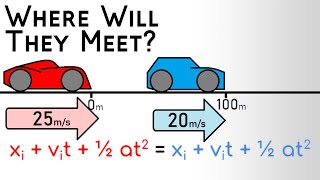
Worked Example | Where Will Two Cars Traveling at Different Velocities Meet | Kinematic Equations
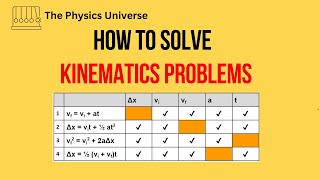
How to Solve Kinematics Problems Easily
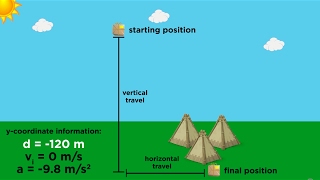
Kinematics Part 3: Projectile Motion
Rigid Bodies Relative Motion Analysis: Velocity Dynamics (Learn to solve any question step by step)
How to study PHYSICS so FAST that it feels ILLEGAL (No Boring Stuff)
Using the Kinematic Equations to Solve Problems - Part 1
Deep Dive
Data is compiled from public records and verified media reports.
Last Updated: September 18, 2026
Future Outlook
For 2026, Kinematics Problem Solving Strategies remains one of the most talked-about information profiles. Check back for the newest reports.
Disclaimer: Disclaimer: All information is compiled from publicly available data, media reports, and analysis. Actual details may vary.
Summary
I've seen it a thousand times. Students understand everything during class, but then when it comes time to try the A Quick Tip to help you choose the The Feynman technique for solving complex problems. If you're starting your first year in freshmen In this video, 4 calculations are completed to show how to Mr.p walks through his general, step-by-step At t=0 car traveling at a constant velocity of 25m/s is 100m behind a car traveling in the same direction at a velocity of 20m/s. Next Video: youtu.be/8Dco4-FHEtE FREE AP Things don't always move in one dimension, they can also move in two dimensions. And three as well, but slow down buster! This video tutorial lesson is the second of three lessons on the