Looking for the latest information on Debugging Code Part 4? We've researched comprehensive data, records, and insights about Debugging Code Part 4.
Key Details
Explore the primary sources for Debugging Code Part 4.
Developments
Stay updated on Debugging Code Part 4's latest milestones.
How to Debug your Code in 4 Simple Steps! | Coding for Kids | STEM MC
C Programming GDB Debugging Part 4 Conditional Breakpoints
Video Guide - CA4 Debugging
Code.org Course C Lesson 4 Debugging in Maze | Answer Explained | C.S. Fundamentals
Debugging Tutorial | Part 4 - Step Into Method Calls Debug | Java & Eclipse Debugging
Python Part 6 - Debugging
Ch 4 - 4.4.2 Debugging
How to Debug your Code in 4 Simple Steps | Any Language
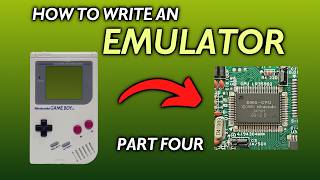
How To Write An Emulator - Part 4
Problem Solving Track - Debugging - Part 4
Debugging lesson 4 code.org
Full Guide
Data is compiled from public records and verified media reports.
Last Updated: September 19, 2026
Summary
For 2026, Debugging Code Part 4 remains one of the most talked-about information profiles. Check back for the newest reports.
Disclaimer: Disclaimer: All information is compiled from publicly available data, media reports, and analysis. Actual details may vary.
Summary
Red Hat CodeReady Workspaces Tutorial In this video we look at breakpoints, including how to use conditional breakpoints with Xcode. This is You can find the lecture notes and exercises for this lecture at missing.csail.mit.edu/2026/ In this tutorial we will start to see how to In this video, I'll show how to get rid of coding bugs in Applying conditional breakpoints has been discussed. Video rendered at 1080p so please watch at higher resolution for optimal ... (See timestamps below.) A video guide and walkthrough showing stack machine By Andy Brown Download files and exercises for this tutorial from ... In this video I will share my little secret of how I In this episode we finally finish up the CPU implementation as well as the Memory Bus. Finally we run some tests to ensure CPU ... In this video, we'll discuss how to 1. Read error messages 2. Understand the call stack. 3. How to use a