Looking for the latest information on Java Http Request Tutorial Part 15? We've gathered comprehensive data, records, and insights about Java Http Request Tutorial Part 15.
Core Information
Explore the primary sources for Java Http Request Tutorial Part 15.
Latest News
Stay updated on Java Http Request Tutorial Part 15's latest milestones.
How to call a Java REST API using JDK Http Client
Java HTTP Post, Request Parameters and Authentication Headers
Java tutorial #86 | Some more useful features - Http Clients | Java course for beginners
HttpClient for Synchronous HTTP Communication In Java
Spring MVC Tutorials 45 - Web Services 15 ( How to build HTTP POST REST APIs... )
Intro to Java. Unit 15. HTTP Sessions, Cookies, WAR deployments, JSP
Java 15 new features | What are Text Blocks in Java 15 | Java Beam
Java Tutorial For Beginners 15 - Java String
AP Computer Science A — Lesson 15: Introduction to Methods in Java | AP CSA
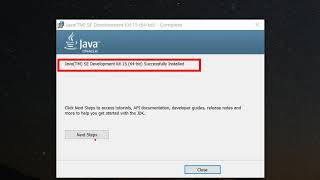
Getting Started with Java SE 15 (JDK 15)
Java 15 new features | Records in Java 15 | Java Beam
Full Guide
Data is compiled from public records and verified media reports.
Last Updated: September 20, 2026
Summary
For 2026, Java Http Request Tutorial Part 15 remains one of the most talked-about information profiles. Check back for the newest reports.
Disclaimer: Disclaimer: All information is compiled from publicly available data, media reports, and analysis. Actual details may vary.
Summary
In this demo, I am going to show you how we can read a rest end point using new set of API called In this video we will learn how to use the In this lesson Yakov Fain explains what Text blocks are string literals that can comprise multiple lines of text and uses triple quotes (""") as its opening and closing ... Top Online Courses From ProgrammingKnowledge Python Programming Course ➡️ AP Computer Science A Full Course Playlist:** youtube.com/playlist?list=PLKHcrcbhEPZs In **Lesson Learn how to download, install and use We need to write a lot of low-value, repetitive code to write a simple data carrier class responsibly: constructors, accessors, ...