Introduction to Java Thread Safe Vs Non Thread Safe
Looking for the latest information on Java Thread Safe Vs Non Thread Safe? We've gathered comprehensive data, records, and insights about Java Thread Safe Vs Non Thread Safe.
Important Facts
Explore the primary sources for Java Thread Safe Vs Non Thread Safe.
History
Stay updated on Java Thread Safe Vs Non Thread Safe's newest achievements.
Why HashMap is Not Thread Safe in Java | ConcurrentHashMap vs HashMap Explained
Why HashMap in Java is Not Thread Safe
Mastering PHP Thread Safety Explained! PHP Thread Safe vs Non-Thread Safe – Which One to Choose
Why HashMap Is Not Thread-Safe | Java Multi-threading Explained for QA Testers
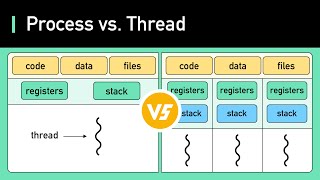
FANG Interview Question | Process vs Thread
Java Thread Safe vs Non Thread Safe
Selenium Java Coding Tips & Tricks #12 | Thread Safety to avoid unstability in Parallel Execution
Exploring StringBuffer vs StringBuilder in Java: A Closer Look at Thread Safety
Multithreading in Java Explained in 10 Minutes
The Volatile and Synchronized Keywords in Java | Atomic Variables | Java Multithreading | Geekific
ThreadLocal in Java
Expert Insights
Data is compiled from public records and verified media reports.
Last Updated: September 22, 2026
Conclusion
For 2026, Java Thread Safe Vs Non Thread Safe remains one of the most searched-for information profiles. Check back for the newest reports.
Disclaimer: Disclaimer: All information is compiled from publicly available data, media reports, and analysis. Actual details may vary.
Summary
Today we're going to be talking about Call / DM me: topmate.io/engineeringdigest Donate: razorpay.me/ Perks: ... HashMap is one of the most used data structures in This example shows what happens when two to our weekly system design newsletter: bit.ly/3tfAlYD Checkout our bestselling System Design Interview books: ... All programming languages you can study Hi guys! Welcome back! Welcome to Exploring StringBuffer Discord Community: discord.gg/dK6cB24ATp GitHub Repository: github.com/geekific-official/ In a previous video we ...